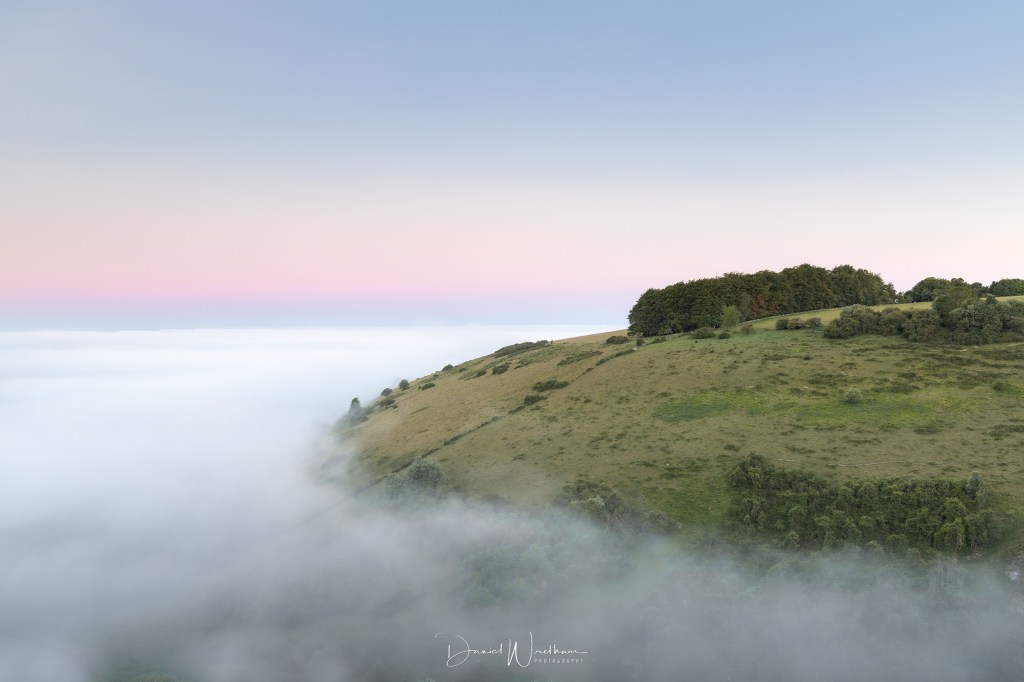
Josep Maria de Segarra sees fog as the veil of a faerie, while Jacint Verdaguer calls it an enchantment from the mountains. The classical Greeks claim that fog was the daughter of the Northern Wind, Boreas. Scientists, however, assert that fog is merely a cloud at ground level. But country folk call her La Boirosa – the Misty One: a feminine entity and cautionary tale told to children to ensure their obedience. To the lovers of wilderness, La Boirosa is the guide to the faerie world.
A disturbing story with a tragic final twist: David Drayton and his eight-year-old son were shopping for groceries when a sudden eerie mist engulfed the town, stranding them in a supermarket with other shoppers. The mist hid monsters that killed anyone venturing outside. So staying in the supermarket was, in principle, the safest option.
Days, weeks, perhaps months, passed by, but the haze wasn’t going anywhere. Soon, the people inside started losing their marbles. Some religious fanatics took over the supermarket. Tired of madness, bigotry, and waiting for rescue, David Drayton, his son, and two persons more decided to flee the supermarket, get into a car and try their chances getting out of the everlasting fog.

They had a gun to protect themselves from the monsters, but they soon ran out of ammunition. And seeing no end to the eerie expanse of mist, they decided to use the last bullets on themselves. Drayton assumes the task and shoots the two travelers sitting on the rear seat. Then, bursting into tears, he shoots his son dead. Out of bullets and consumed by despair, he steps out, hoping the mist’s monsters would end his misery.
The tragic twist is that instead of being attacked by a monster, the mist fades away and Drayton sees the American army coming to the rescue. Only if he had waited a few minutes longer!
The moral? Perhaps never give up?
The film perfectly illustrates mist’s mysterious might. When she’s around temperatures drop and the world we know vanishes, alongside our sense of time, place, and sanity.

That’s why country folk fear La Boirosa – she embodies the unknown. But is she evil, or a misunderstood force of good?
La Boirosa as an Evil Entity
She is an espanta-mainades, a cautionary tale told to children. They warn them to avoid La Boirosa, or she’ll suck them dry and swallow them whole.
Country folk believe that La Boirosa hides underneath the wild grass. This is why they advise treading gently on the grass, or the misty monster will rise in vengeful anger. They say that with her veil, she hides a horde of demons ready to reap havoc as she glides along, from the mountains and the forests, right into their homes.
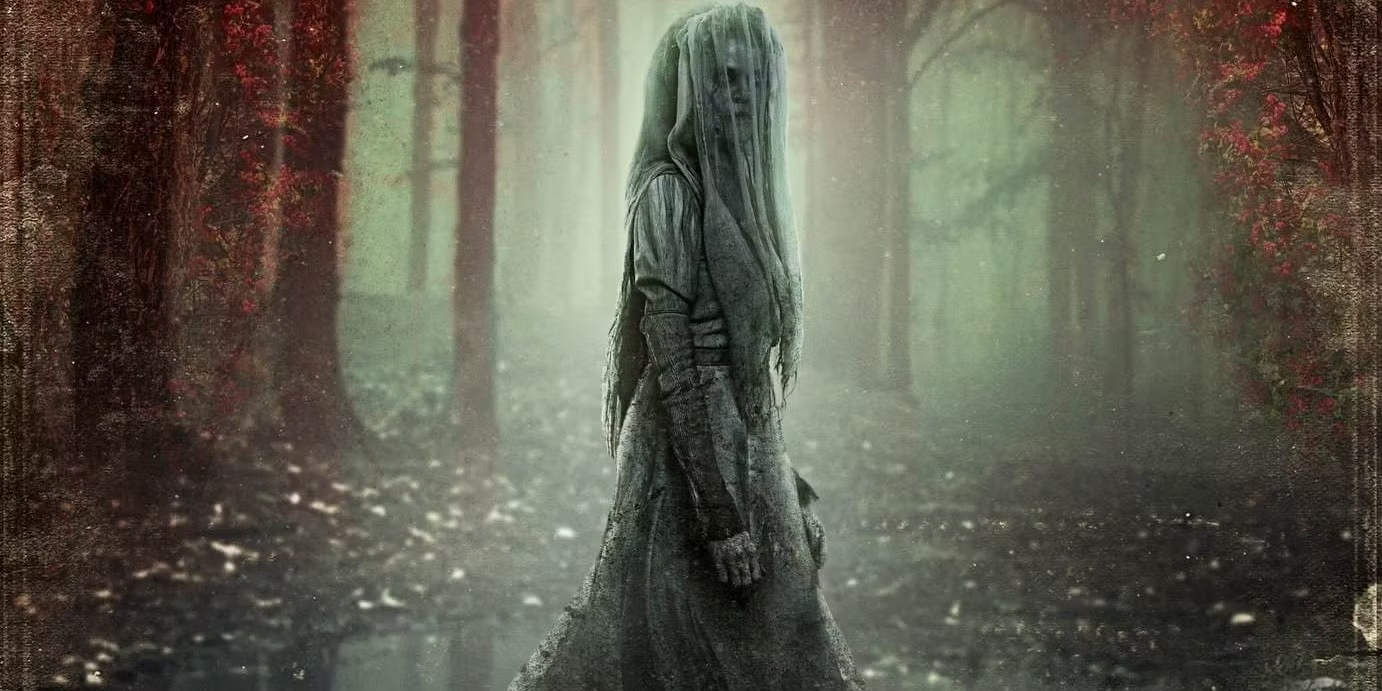
They describe La Boirosa as a feminine entity, half woman, half cloud, which gives her the ability to solidify into a woman or vaporise into a wandering misty cloud. Some say she’s got emerald-green eyes, and eagle-like talons for hands.
When she’s near, temperatures drop and the landscape fades away – creating discomfort, disorientation, and confusion. If they see her gliding down from the mountains, coming out of the forests or rising from underneath the grasses and crops, they flee fearful that if they get caught, they might never see the light of day again.
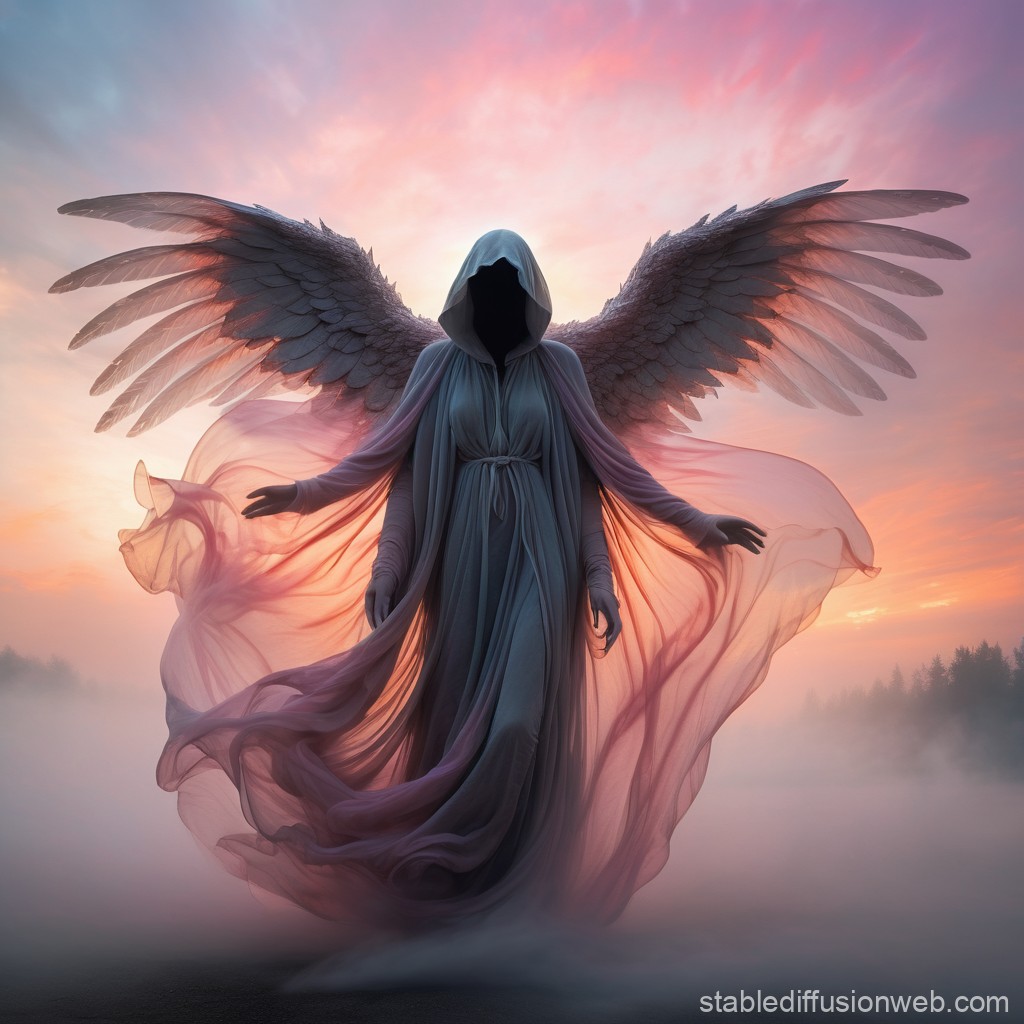
Some tales portray La Boirosa like an angel of death, as the sick often die overnight after her visit, leaving the community immersed in dismal grief.
La Boirosa as a Force for Good
While many tales portray La Boirosa as a malevolent child snatcher, in others she is depicted as a beautiful faerie, protector of nature. Those who love and respect nature need not fear venturing into the fog, as La Boirosa will take them to fairyland.
The poet Jacint Verdaguer, claiming that fog is an enchantment from the mountains, portrays La Boirosa as a deity from the heavens coming down to earth to mend and restore radiance to the land.
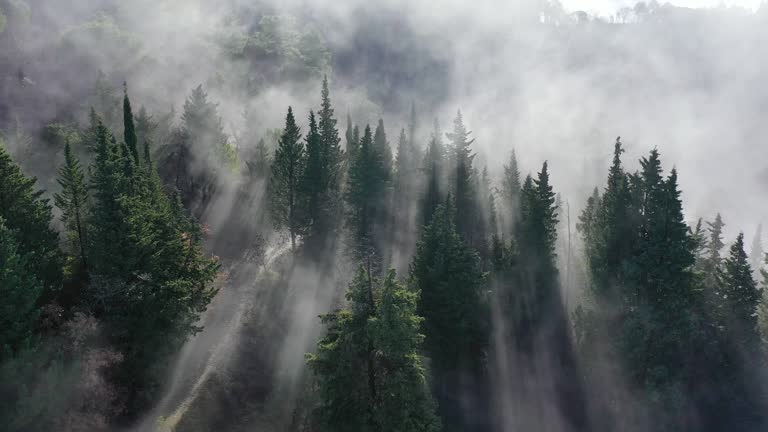
The fog might be La Boirosa’s veil, used not to hide demons, but to shield faeries and fawns – Bacarrots, in Catalan folklore – from human eyes. They are the spirits of the earth, the genies that nurse and nurture the untamed beauty of the natural world and fertilise the land.
It is said that La Boirosa has helped many lost Shepherds, children and wandering travellers to find their way back home. Guiding them through woods or down mountaintops to safety.

For those who seek to understand the mysterious essence of nature, La Boirosa is the guide to the magic world.
So Is La Boirosa an Evil Monster? Or Is She a Kind and Beautiful Faerie?
La Boirosa, as an embodiment of fog, is indeed dangerous. When she arrives, temperatures drop as she blots out the sun, and humidity rises from her airy, watery essence. She does have the power to make the world disappear, and without our mundane references we get disoriented and confused and eventually lose our sanity – like the characters in The Mist – if the situation carries on indefinitely.
It was once true that her chill and dampness could hasten the death of the sick. Many homes are now better insulated than they used to be, and are usually equipped with central heating, but it’s not always been like this. So, a few decades ago, a sudden drop of temperatures and a humidity spike could have been lethal to people with a delicate health status.
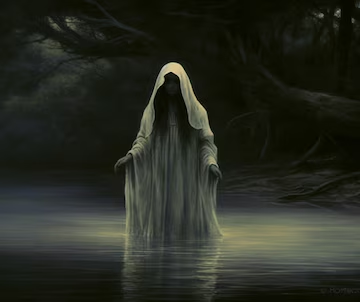
Regarding the claims of being a child snatcher and hiding a horde of demons within her misty veil, they seem to be just that: espanta-mainades, tales to scare the children and ensure that they respect the fog and don’t stray from home. These tales reflect country folk’s fear of fog, as they often spent all day outdoors, and being caught by La Boirosa was not only possible but would surely complicate their safe return.
But I’m more inclined to believe that La Boirosa is a mystifying phenomenon. Her presence in folklore encourages a deeper understanding of nature’s complexities, inspiring awe and wisdom rather than terror.

I like how the poets lean on her eerie elegance, painting her as either an ethereal faerie or a celestial deity from the heavens. In both cases it’s implied that her intentions are good: to protect and restore nature. I also like to think of the fog as a faerie’s veil shrouding the fawns so they can mend the land in peace. Anyone caught in her thick, ashy fog will find the world more vivid and vibrant once it reemerges.

Is that due to the work of faeries and fawns? In a way, I think that’s exactly the case, or at least, it’s beautiful and harmless to hold that view.

What do you think La Boirosa represents – fear or wonder? Have you ever felt the magic of fog?
Drop your comments below!
 wordingmesoftly.com